
About Chelan Ridge
Chelan Ridge Winery is the largest production facility in the Lake Chelan AVA. Built in 2003 it has been known for its outstanding Estate wines and hospitality. The Winery was acquired by Chelan Ridge Holding LLC, a company majority-owned by William Swayne in 2021. We invite you to experience Chelan Ridge, enjoy the spectacular views, enjoy delicious food, and drink our award-winning wines!

Our Vineyard
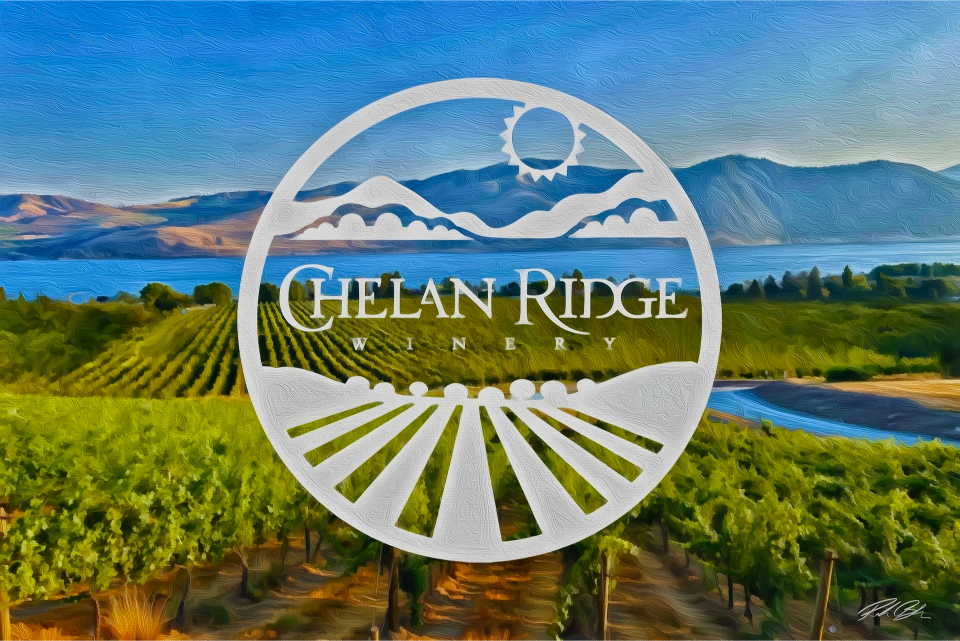
Chelan Ridge Winery farms vine-to-vine to maximize the potential of each individual vine and cluster of grapes. At the vineyards, individualized sections of vines are planted in the same type of soil with the same vine (called “blocks”). Each block requires different irrigation, pruning, thinning, canopy management and harvest criteria to maximize the quality of the grapes produced. The harvest is most often in multiple stages due to the variations of varietals and maturity of fruit in the individual blocks throughout each vineyard.
Our Vineyard manager is Enrique Hernandez, who has two decades of experience with vine maintenance. Enrique actually planted Chelan Ridge’s vineyards currently consisting of eleven acres of both white and Red varietals. His extensive experience, attention to detail and willingness to continually learn and work with expert vinologists are what give our wines the best foundation we can to produce the award-winning wines we desire.
WINE FACTS 101

WINE FACTS 101
Body: Means intensity of wine
Tannins: Derived from grape skins and wood (oak barrels). Used to stabilize wine and buffer it against oxidation. Provides texture and mouthfeel to wine as well as a Depth of with and structure.
Sweetness: Called residual sugar and is the unfermented grape sugars left over in the wine after fermentation has completed. Can range from Dry (0) to Sweet 2-3%.
Alcohol: The average glass of wine contains 12-15% ETHANOL. Has a profound effect on the taste and age-ability of wine.
Acidity: Gives the wine its tart and sour taste. Terms like zesty, bright, tart, zippy and fresh are often used in tasting notes to describe higher acidity wines.
Higher acidity wines taste lighter-bodied and less sweet.
Wines with lower acidity taste fuller bodied and sweeter.
When acidity is too low, wines are often described as tasting flat, dull, soft ,or flabby.
When acidity is too high, wines are often described as tasting spicy, sharp, or too sour.
Wine grapes are different from table grapes. They are smaller, sweeter, contain seeds and have thicker skins. These traits have proven to be better for making wines.
Vintage: refers to the year that the grapes were harvested.
Sulfites are used in wine to extend its life. There are fewer sulfites in red wines than white wines.
A standard serving of wine is 5 ounces (150ml)
Our Process
GRAVITY FLOW WINE MAKING
Chelan Ridge Winery is just one of only two gravity flow wineries in Washington State
The typical gravity-flow winery consists of four levels that follow regular winemaking steps. (Crushing, pressing, fermentation, clarification, and aging/bottling). However, each stage is separated into different floor levels, allowing gravity to move the wine from crushing to cellaring.


HOW TO TASTE WINE

1. Hold the wine glass by the stem.
2. Look: Hue, intensity of color, viscosity (legs)
3. Smell: two to three fruity flavors, 2-3 herbal flavors and oak or earth flavors.
4. Taste: Use your tongue, take wine into your mouth and hold it around you tongue, swallow and then take a sip. You can only really evaluate a wine after you have conditioned your taste buds.
5. Think: Keep notes, rate wine, recognize what you like and dislike, compare.
6. Wine is like art; everyone has a different opinion about what they like.